Top Places to Visit in Delhi for First-Time Travelers

The Ultimate 3-Day Udaipur Itinerary
January 16, 2026
Top Places to Visit in Agra Beyond the Taj Mahal
January 24, 2026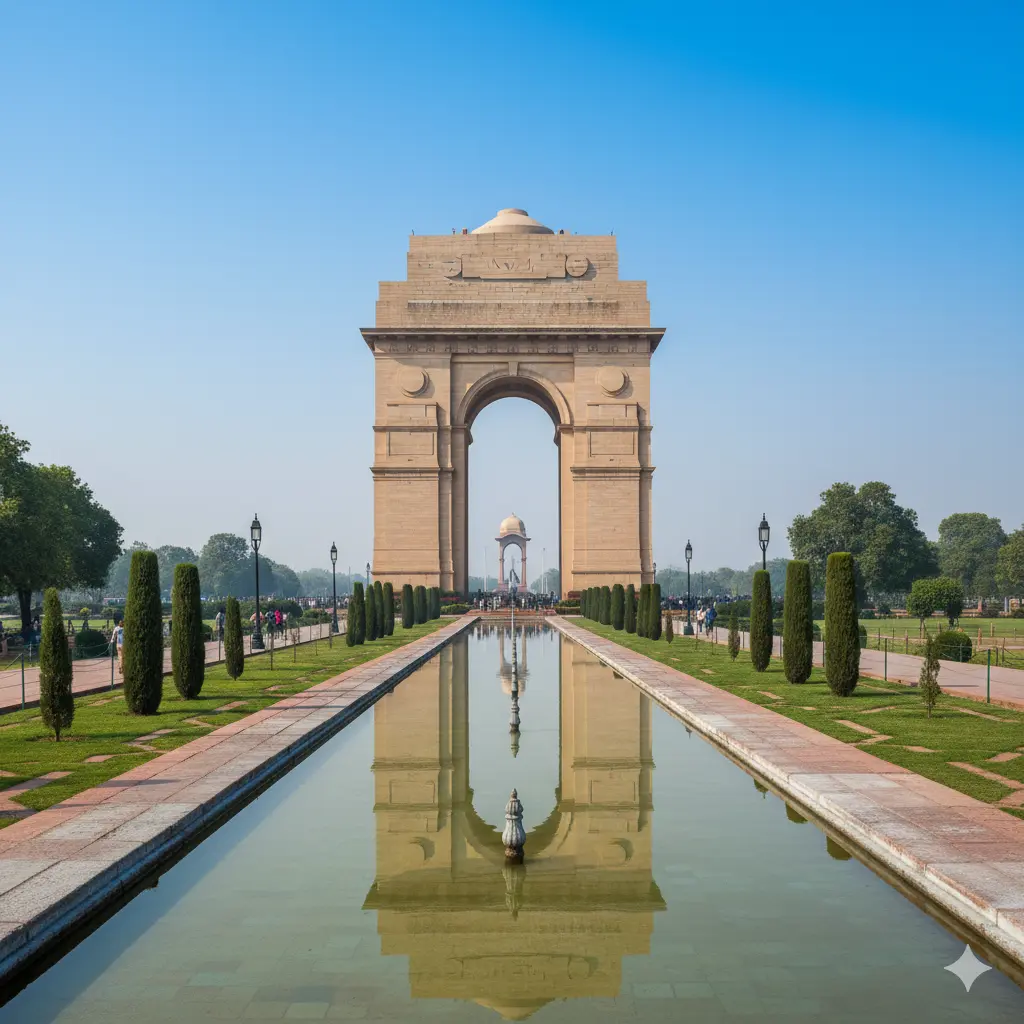
Stepping into the Mughal Grandeur
A journey through Delhi’s history often begins at the Red Fort, which stands as a premier tourist destination and a symbol of India’s vast history. Constructed in the 17th century by the Mughal Emperor Shah Jahan, this UNESCO World Heritage Site is a testament to the architectural brilliance of that era. As you walk through its massive red sandstone walls, you are offered a rare glimpse into the royal past of India. To further enrich this experience, many visitors attend the evening sound and light show, which narratively brings the history of Delhi to life in an engaging way.
Another essential stop for history lovers is Humayun’s Tomb, built in the 16th century. This monument is not only a UNESCO World Heritage Site but is also historically significant as the inspiration behind the Taj Mahal. First-time travelers are often struck by its symmetrical architecture and beautifully landscaped gardens, which provide a perfect harmony of scenic beauty and historical depth. It remains a top choice for both photography enthusiasts and those seeking a deeper understanding of Delhi's architectural evolution.
Ancient Foundations and New Delhi’s Pulse
To see the city’s early foundations, one must visit the Qutub Minar, one of the tallest brick minarets in the world. Dating back to the 12th century, this UNESCO World Heritage Site showcases incredible Indo-Islamic architecture. Exploring the surrounding Qutub complex allows travelers to see ancient ruins, historic mosques, and the famous Iron Pillar, making it a highlight for anyone interested in the city’s early history.
In contrast to these ancient stones is India Gate, frequently described as the heart of New Delhi. This iconic war memorial was built to honor Indian soldiers who died during World War I. Today, it is a favorite for beginners because it is surrounded by lush green lawns, making it an ideal location for relaxing, photography, or taking an evening walk. The lively atmosphere, created by local families and street vendors, offers a snapshot of the city's modern social fabric.
Spiritual Sanctuaries: Silence and Splendor
Delhi's spiritual diversity is one of its most compelling features. The Lotus Temple stands out as a unique architectural marvel, famous for its lotus-shaped design. As a Bahá’í House of Worship, it welcomes people of all religions and provides a peaceful environment that serves as a sanctuary from the city's fast-moving pace. The strict silence maintained inside the temple creates a profound spiritual experience for the first-time visitor.
For a more traditional experience, Jama Masjid in Old Delhi is a must-visit. As one of the largest mosques in India, it was also built by Shah Jahan and serves as a vital center for understanding Delhi’s cultural and religious history. A highlight for many is climbing the minaret, which offers a breathtaking panoramic view of the bustling streets of Old Delhi.
On the modern end of the spiritual spectrum is the Akshardham Temple, a cultural wonder celebrated for its grand architecture and detailed carvings. The complex is dedicated to showcasing Indian traditions and values through its various exhibitions. A major attraction here is the evening musical fountain show, which consistently leaves travelers amazed by its scale and beauty.
Markets and Modern Life: The Sensory Overload
To experience the "real essence" of the city, you must brave the lanes of Chandni Chowk. This historic market is a sensory paradise, famous for its traditional clothes, jewelry, spices, and legendary street food. Travelers can spend hours exploring narrow lanes full of energy and life while sampling local delicacies like parathas, chaat, and traditional sweets.
If Chandni Chowk represents the city's past, Connaught Place (CP) represents its modern face. This central hub is a popular destination for shopping and dining, featuring a wide array of international brands, cafes, and cinemas. For first-time travelers, CP offers a striking contrast between colonial architecture and a modern lifestyle, making it a convenient and easy-to-navigate base for exploring other parts of the city.
Expert Strategies for a Seamless Visit
According to the sources, navigating such a large and diverse city requires some practical planning to ensure a smooth trip:
• The Best Time to Visit: To enjoy outdoor sightseeing comfortably, plan your trip between October and March, when the weather is most pleasant. Summers can be extremely hot, while the winter months are ideal for exploring monuments.
• Transportation: The most affordable and convenient way to get around is the Delhi Metro, which connects the major landmarks across the city.
• Cultural Etiquette: It is important to dress modestly when visiting religious sites like Jama Masjid or the Lotus Temple to show respect.
• Daily Planning: To avoid the heaviest crowds at popular sites like the Red Fort or Qutub Minar, it is best to start your sightseeing early in the day.
• Essentials: Always stay hydrated while out and about, and ensure you carry cash for purchases in local markets like Chandni Chowk where cards may not always be accepted.
Conclusion: A Lasting Impression
Delhi is a city that consistently leaves a lasting impression on everyone who walks its streets. By balancing the majesty of its historical forts with the spiritual silence of its temples and the high-energy spirit of its markets, you can truly experience the soul of India’s capital. Whether you are a history lover, a foodie, or someone seeking spiritual peace, Delhi offers a wealth of opportunities to create memories that last a lifetime
Frequently Asked Questions (FAQs)
1. What are the best places to visit in Delhi for first-time travelers?
First-time visitors should explore iconic attractions such as the Red Fort, Qutub Minar, India Gate, Humayun’s Tomb, Lotus Temple, Jama Masjid, Akshardham Temple, Chandni Chowk, and Connaught Place to experience Delhi’s history, culture, and modern life.
2. How many days are enough to explore Delhi for the first time?
A minimum of 3 to 4 days is ideal for first-time travelers to cover major historical monuments, spiritual landmarks, markets, and popular areas of New Delhi and Old Delhi without rushing.
3. What is the best time to visit Delhi for sightseeing?
The best time to visit Delhi is between October and March, when the weather is pleasant for outdoor sightseeing. Summers can be extremely hot, while winters are comfortable for exploring monuments.
4. Is Delhi safe for first-time travelers and tourists?
Yes, Delhi is generally safe for tourists, especially in popular areas. First-time travelers should use the Delhi Metro, avoid isolated areas late at night, keep valuables secure, and follow basic travel safety practices.
5. What local experiences should first-time visitors not miss in Delhi?
First-time travelers should not miss exploring Chandni Chowk for street food and shopping, visiting spiritual sites like the Lotus Temple and Jama Masjid, enjoying evening walks at India Gate, and experiencing Delhi’s vibrant café and shopping scene at Connaught Place.